It wasn’t an extraordinary day. It was the holiday season, and a family request for batteries landed Amer, Ali, and me in the nearby CVS. That’s where we found ourselves in the water aisle.
Standing there, Ali broke the silence. He just said what we were all thinking, that all this plastic would immediately become trash right after someone took a few swigs. We stood there, in awe of the whole mess. This was just one store. We looked up and imagined water aisles around the world, filled with millions of tons of plastic stacked near the ceiling. What were they actually selling? Water? Nah. They were selling plastic. They were selling a lifestyle, and an incredibly inconvenient one at that. How the heck could we ever solve this?
That’s when my mind started playing the opposites game. It’s a problem-solving hack I use: You jump to the other side of the issue. Want to create a solution for dryness? You have to get wet. Want to fix something? You have to break something.
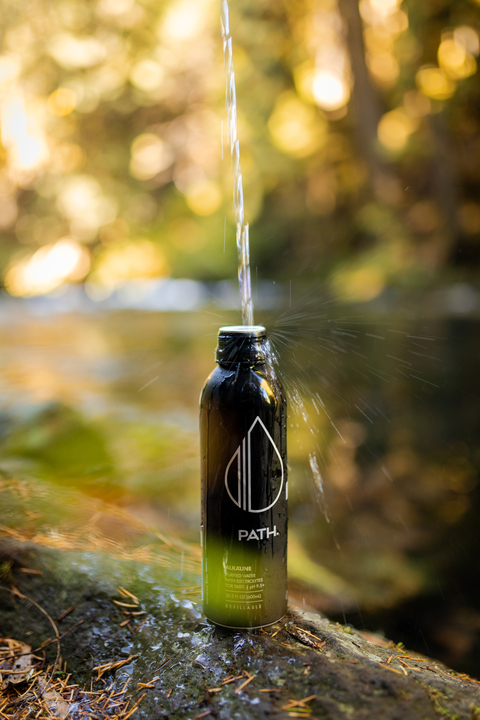
So, I played the game. The opposite of these shelves packed with plastic? Poof. Gone. Start with nothing. But is the problem really the plastic material itself? Whether it’s compostable, sugar-cane, or aluminum, single-use is still a massive wave of waste. It might hopefully get recycled, but most of the time, it doesn’t.
Throwing a Yeti or a Stanley on that shelf wasn’t going to cut it either. People are conditioned to grab a bottle of water and drink it right now. We needed to replace that barrage of waste with a real business solution, one that still allowed commerce to thrive.
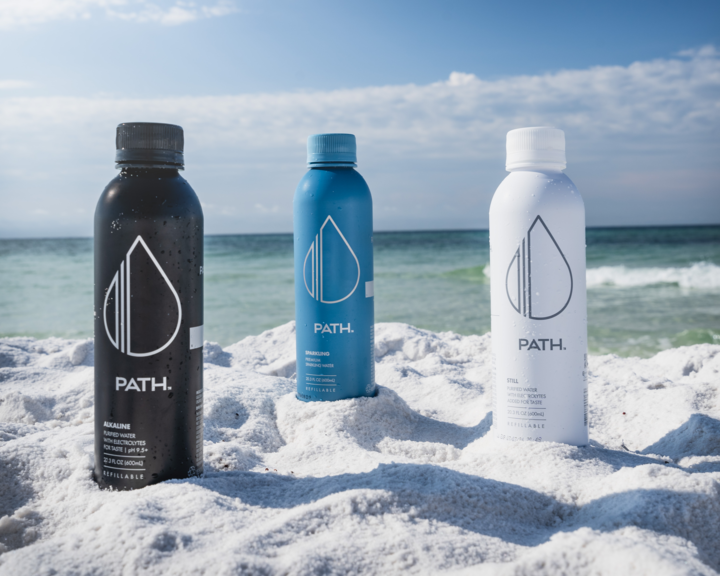
The opposites game landed here: The shelves are empty except for maybe one single bottle. That bottle represents all of us. It’s for you, me, and everyone else. That bottle on the shelf wasn’t about the material; it wasn’t even about the water. It represented a culture shift.
When I was in military school, I learned about the Unknown Soldier. Sometimes it’s a statue, sometimes a grave. It’s a single, unidentified figure that demonstrates sacrifice and unity, allowing a nation to collectively focus on a shared loss and mourn together. It’s a unifying point.
That single bottle would represent our basic need for hydration. But, more importantly, it would show the world who we are and what we value. It demonstrates a desire to be better, to have a lighter footprint, and to hit a reset button. We could still get the immediate water we need, but that bottle would be a chance to make better decisions down the road, once it was in your hand.
Think about it: What even is bottled water? When you play the opposites game, the opposite of single-use is reuse. The opposite of “I want to sell you more containers” is “I want to sell you fewer containers.” To truly win this fight, the opposite of selling water is to stop making it about the water. Make it about the culture.
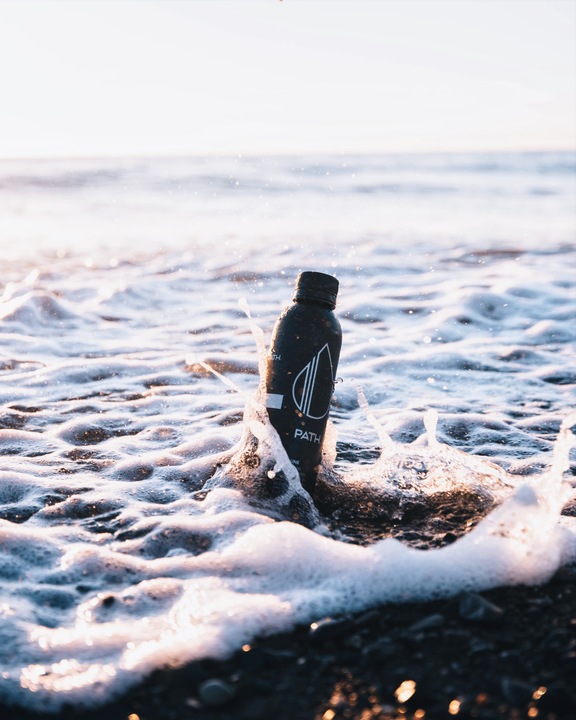
The cultural reset is about offering the same convenience, but turning it into a portal for a new belief system, one that reminds us that less is always more. Carrying a sleek, good-looking bottle to refill is instantly more powerful than carrying cheap, low-grade plastic around for a minute. Water can be found abundantly around us. Why would you pay for 30 bottles when you could buy one and refill it 30 times?
So, selling more becomes a market disruption to sell less. As the bottled water company that doesn’t actually want to sell you water, we’ve found our success by observing and leveraging these opposing thoughts.
Jumping into the Opposite
Reset the Frame. Step back from the problem and strip it to its core. Ask: What am I really looking at? For PATH, we didn’t consider ourselves yet another bottled water company; we asked how we could be the opposite. When you remove assumptions, you can see the true system you’re trying to fix.
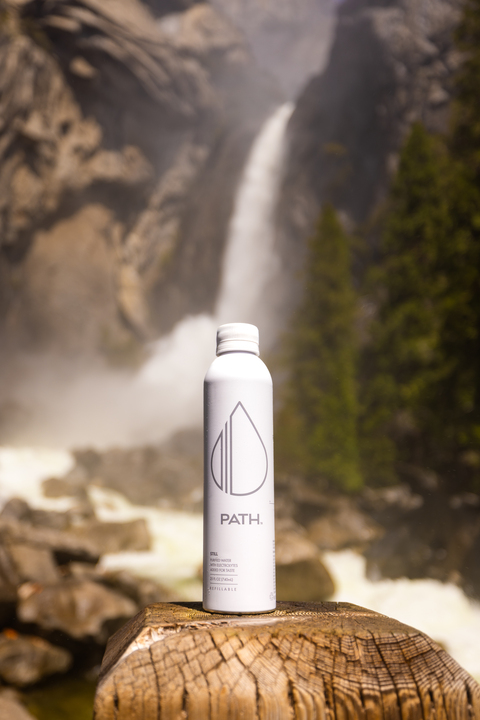
Reflect on the True Purpose. Ask what the intended outcome is, not the process currently used to reach it. For example, in our case, the goal wasn’t to sell more water; it was to keep people hydrated without waste. This shift lets you decouple what people need from how the market currently delivers it. Ask: Are we serving the actual need or just the habit?
Reverse Engineer the Opposite. Imagine the world if the current problem you’re looking at disappeared. Start with nothing, empty shelves, zero products, no market, then rebuild. What’s left behind is the essence of what must remain. Then ask: If the opposite of today’s model existed, how would it work? For PATH, the opposite of single-use is not another single-use magical material; it is a reusable model that reshapes the consumer mindset.
Reimagine Value. Invert a reward system. Ask, How can we help people buy less and still grow? Replace volume-based success with market disruption and longevity-based success. Redefine value as impact and tie impact directly to bottom-line success.